

Artificial Intelligence (AI) and automation are rapidly transforming the way we learn, work, and connect. While businesses leverage AI to drive efficiency and personalization, the education sector is undergoing a similar shift—embracing smart tools to improve learning experiences.
At the center of this transformation is the rise of digital tools—and none more symbolic than the evolution from traditional paper cards to Digital Business Cards. These smart, sharable identities represent the convergence of branding, networking, and productivity in today’s digital age.
Let’s explore how the advancement of AI and the adoption of digital business cards mirror innovations in modern education.
The Role of Technology in Modern Education
Technology has revolutionized the classroom, replacing chalkboards and textbooks with dynamic, personalized, and interactive platforms. Students now have access to AI-powered tutors, real-time feedback systems, and digital collaboration tools.
In the same way, Digital Business Cards are replacing outdated networking methods with smarter, trackable, and customizable contact-sharing experiences—giving professionals and entrepreneurs a modern edge in branding and communication.
Finding Balance: Automation vs. Human Interaction
In education, balancing screen time with hands-on engagement is vital. Similarly, businesses are integrating AI to automate repetitive tasks—but not replace the human touch.
Tools like AI-driven CRMs, virtual assistants, and smart digital cards allow employees to focus on creativity, relationship-building, and strategic thinking while automation handles the background.
Personalization in Learning and Networking
AI enables personalized learning experiences, adapting content to each student’s pace, interests, and goals. In commerce, this same logic applies to the way brands interact with customers.
Digital Business Cards now allow individuals to present tailored introductions, highlight different services or portfolios depending on the audience, and even include smart call-to-action features. The result? A more relevant and memorable first impression—just like customized learning boosts retention.
Online Tools That Empower Both Students and Professionals
Just as students use online platforms to access lessons and materials anytime, professionals can now:
-
Share contact details in one tap
-
Track engagement (who viewed their card, when, where)
-
Integrate their card with CRM or email marketing tools
These are not just contact cards—they are productivity tools and brand boosters, reflecting the same benefits AI brings to education through increased access and data-driven insight.
Overcoming Technology Barriers in Both Worlds
Educators and institutions often face challenges like the digital divide, limited budgets, and resistance to change. Similarly, businesses must overcome:
-
Technical complexity
-
Employee reskilling
-
Concerns around data privacy
Fortunately, Digital Business Card platforms are increasingly intuitive, mobile-friendly, and secure, making them accessible to individuals and organizations of all sizes.
Bridging the Digital Divide
Equal access to technology is essential. In education, lack of connectivity or devices limits student success. In business, ineffective digital identity can cost opportunities.
By adopting solutions like digital business cards, companies and professionals ensure they are easily reachable, always updated, and not left behind in the digital transformation.
Virtual Classrooms and Remote Business Tools: Parallel Growth
Virtual classrooms allow students to learn anytime, anywhere. On the business side, remote tools and smart digital identities like e-business cards enable professionals to connect, pitch, and close deals without being physically present.
Both systems expand reach, increase convenience, and reduce operational barriers.
The Future: Smart Learning, Smart Networking
Educational technology is evolving into immersive, AI-powered environments. The future of networking is equally smart:
-
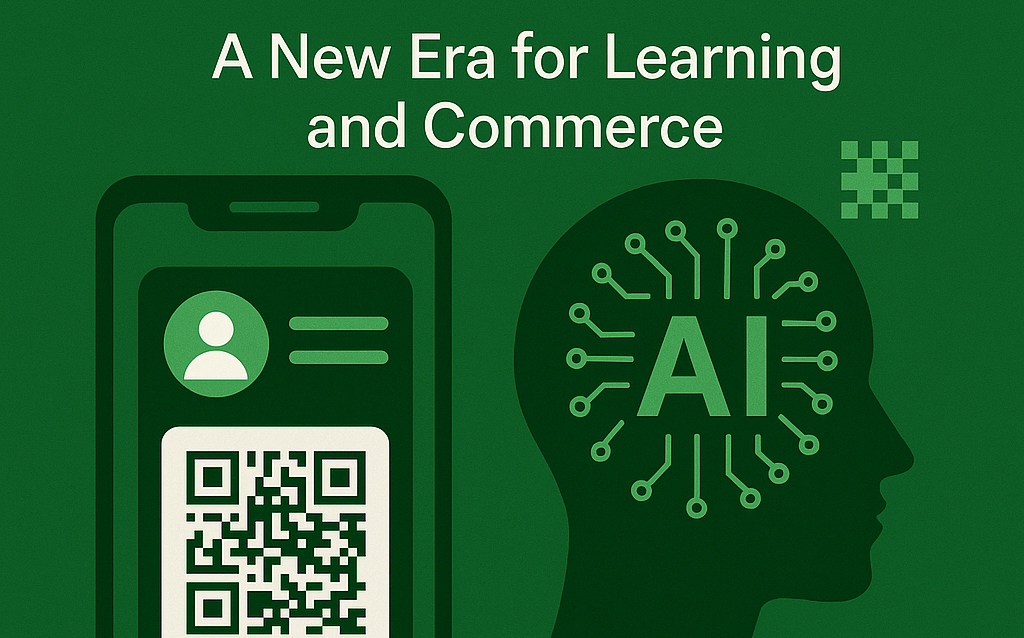
Dynamic QR codes that never expire
-
Real-time updates of your contact info
-
Analytics to measure engagement and follow-up efficiency
Digital Business Cards are becoming central to how professionals operate—combining branding, automation, and data in one powerful format.
Cybersecurity: Protecting Digital Identities
Whether in school systems or business environments, digital security is essential. AI plays a key role in:
-
Detecting cyber threats
-
Protecting personal data
-
Ensuring platform transparency and compliance
Reliable digital business card platforms must offer data encryption, user control, and privacy-first infrastructure to build trust and adoption.
Conclusion: The Digital Identity Revolution
From students accessing lessons online to professionals exchanging smart digital business cards, we are witnessing a new era where technology empowers identity, productivity, and personalization.
Just as AI is transforming education into something more tailored and effective, Digital Business Cards are redefining how we connect, network, and represent ourselves in the modern business landscape.